

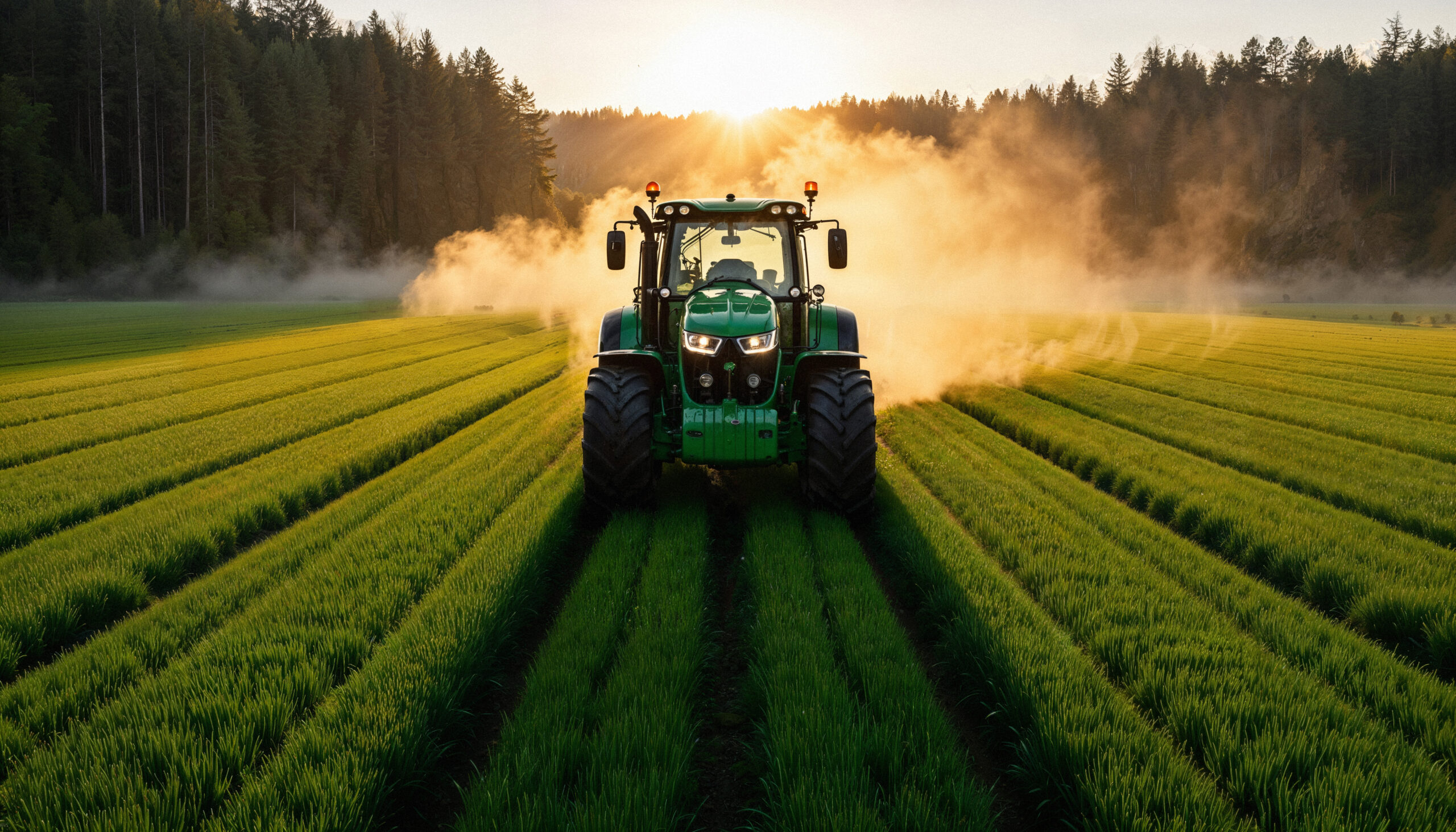
The Place and Importance of Pumice in Modern Agriculture
Today's agricultural sector is faced with many important challenges such as water scarcity, soil degradation, increasing input costs and the search for sustainability. Pumice stone has the capacity to offer potential solutions to these problems thanks to its unique properties. It has the potential to increase soil fertility and optimize water use efficiency with its qualities such as high water retention capacity, improvement of soil aeration and drainage. In addition, its chemically largely inert structure and being a natural material can contribute significantly to the reduction of inputs such as chemical fertilizers and pesticides and the development of more sustainable agricultural systems.
The role of pumice in agriculture is not only limited to increasing yields, but also serves environmental sustainability. Enabling more efficient use of water resources is a vital advantage, especially for regions experiencing water stress. It reduces the need for irrigation by increasing the water retention capacity of the soil, thus helping to preserve valuable water resources. This contributes to the continuity of agricultural production by increasing the resistance of plants to water stress in arid and semiarid climate conditions. In addition, pumice's potential to increase the effectiveness of fertilizers by retaining nutrients and preventing their loss by leaching from the soil allows the use of chemical fertilizers to be optimized, thus providing both economic and environmental benefits. When these features are evaluated as a whole, the use of pumice stands out as a strategic element that supports the transition to agricultural systems where agricultural inputs such as water and fertilizer are used more efficiently, have a lower environmental footprint and are more resistant to the negative effects of climate change.
Türkiye's rich pumice reserves offer an important national advantage for the more widespread and strategic use of this natural resource in the country's agriculture. Turkey, which has a share of approximately 15.8% to 20% of the world's pumice reserves, has significant potential in this area. This means that pumice can be obtained locally and potentially be a lower-cost source compared to other imported soil conditioners. The effective use of pumice as a soil conditioner and growing medium in agriculture has the potential to reduce dependence on some expensive imported substrates (e.g. special peats, perlite, vermiculite). Evaluation of local resources can also make positive contributions to the country's economy by reducing transportation costs, reducing external dependency, and providing economic vitality to local mining and processing sectors. In this context, Türkiye's pumice wealth should be considered as a strategic advantage in reducing input costs for farmers and increasing the sustainability of agricultural production.
Physical Properties
The physical properties of pumice, which form the basis of its success in agricultural use, provide significant advantages that distinguish it from other soil conditioners.
Porosity and Density:
Pumice contains countless small pores formed by the sudden escape of gases during volcanic formation. These pores give pumice an extraordinary internal void ratio that can vary between 70% and 85%. This high porosity also ensures that the density of pumice is quite low; it usually varies between 0.25 g/cm³ and 1 g/cm³. This lightness provides ease of transportation, processing and application, while significantly reducing structural loads, especially in pots and soilless farming systems. High porosity also creates an ideal environment for the storage of air and water required by plant roots.
Water Retention Capacity and Aeration:
One of the most striking features of pumice is its ability to absorb significant amounts of water and release it slowly according to the needs of the plant, thanks to its porous structure. Some types of pumice have been reported to be able to hold up to 48% of their weight in water. This feature prevents plants from experiencing water stress by extending the time the soil remains moist, and contributes to water conservation by reducing the frequency of irrigation. At the same time, the larger spaces between the pores ensure good aeration of the soil. Oxygenation of the roots is critical for their healthy development and efficient uptake of nutrients. Pumice reduces the risk of root suffocation by providing this balance.
Drainage Ability:
In addition to its water retention capacity, pumice also has excellent drainage. By preventing excess water from accumulating in the soil, it prevents the roots from being exposed to excessive moisture and problems such as root rot that may arise as a result. This feature is vital for regulating drainage, especially in heavy-textured, clayey and water-retaining soils.
Structural Stability and Durability:
Pumice particles do not easily deteriorate, compact or break down over time in the soil because they have a natural and hard structure. This ensures that the positive physical effects that pumice adds to the soil (improved aeration, drainage and water retention) are long-lasting. Unlike other organic soil conditioners, the effect of pumice is permanent, reducing the need for frequent renewal.
Chemical Properties
The chemical structure of pumice also contains important factors that affect its role in agricultural applications.
Mineral Content:
Pumice is a volcanic glass whose main components are silicon dioxide (SiO 2 ) and aluminum oxide (Al 2 O 3 ). However, depending on the chemical composition of the magma from which it is formed, it may also contain various trace elements that may be useful for plant nutrition, such as potassium (K 2 O), sodium (Na 2 O), iron (Fe 2 O 3 ), calcium (CaO), and magnesium (MgO). These minerals may contribute indirectly to the nutrient content of the soil, but the primary benefit of pumice generally comes from its physical properties and should not be considered a direct fertilizer.
pH Value:
The pH value of pumice can vary depending on its source and chemical composition. It usually has a pH value close to neutral (pH 6.5-7.5), but some types of pumice can be acidic (for example, usually white pumice) and some can be basic (for example, usually dark or red pumice). This feature allows pumice to be used to regulate the pH balance of the soil. Choosing the appropriate type of pumice according to the specific pH requirements of the plant species is important to optimize nutrient uptake and overall plant health. For example, using acidic pumice in alkaline soils can help lower the pH, while basic pumice may be preferred in acidic soils.
Inert Structure:
Pumice is a largely chemically inert material. It does not dissolve easily in soil or nutrient solutions and does not undergo undesirable chemical reactions. This means that it does not negatively affect the existing chemical balance of the soil, does not disrupt the composition of nutrient solutions and does not release toxic substances to plants. This inert structure allows pumice to be used safely and for a long time.
Cation Exchange Capacity (CEC):
Pumice generally has a low cation exchange capacity. This means that its ability to hold positively charged nutrient ions (cations) in the soil and slowly release them to the plant is limited. However, its highly porous structure and large surface area may allow some nutrients to be physically retained and taken up by the plant over time.
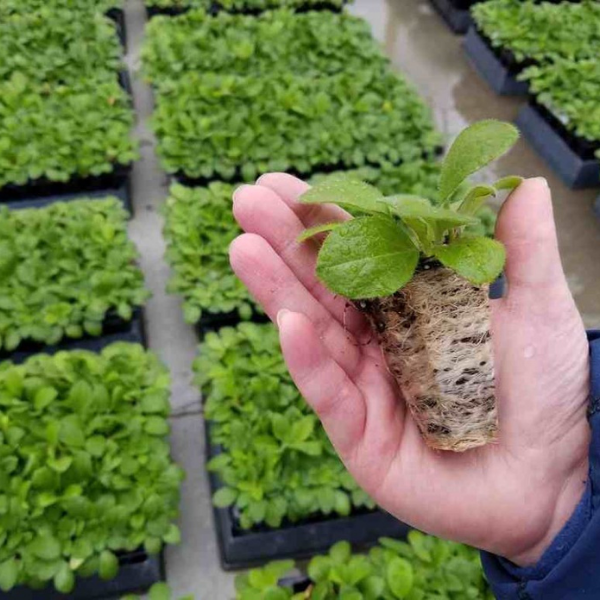
Pumice's Wide Range of Uses and Benefits in the Agricultural Sector
Pumice stone has a wide range of uses in the agricultural sector thanks to its unique physical and chemical properties. It offers valuable benefits in many different areas, from improving soil structure to optimizing water and nutrient management, from providing a soilless agricultural environment to being used as animal litter.
Pumice as a Soil Improver and Conditioner
One of the most common agricultural uses of pumice is as a soil conditioner and conditioner. It has a variety of positive effects on different soil types:
Usage in Different Soil Types:
Heavy and Clayey Soils: These types of soils usually have a tight structure, making it difficult for water to drain and for aeration to occur. When pumice is mixed into these soils, it loosens the structure of the soil, increases its porosity, and thus allows water to drain more easily and the soil to be better aerated. This encourages plant roots to develop more easily, to reach oxygen more easily, and to prevent development problems that may occur due to compaction.
Sandy Soils: Sandy soils have low water and nutrient retention capacities. Thanks to its porous structure, pumice increases the water retention capacity of such soils and reduces the rapid leaching and loss of nutrients from the soil by rain or irrigation water.
Contributions to Water and Nutrient Management:
Pumice significantly increases the water holding capacity of the soil, allowing plants to access water more easily during dry periods or between irrigations. This allows water savings by reducing the need for irrigation, especially in regions where water resources are limited. Some sources state that up to 70% water savings can be achieved by using pumice.
Its porous structure helps nutrients to be retained in the soil for longer periods of time and to be taken up by plants more effectively. This can increase the effectiveness of fertilizers and reduce their loss through leaching from the soil, thus saving fertilizers.
Effects on Plant Root Development and Health:
A healthy root system is essential to the overall health and productivity of the plant.
Pumice supports root development in many ways by creating an ideal environment in the root zone. It increases soil aeration and ensures that the roots receive sufficient oxygen. It should not be forgotten that a decrease in the amount of air-filled space below 10% significantly limits plant growth; pumice reduces this risk by increasing aeration porosity.
Improved soil structure encourages roots to spread more easily, deeper and over larger areas.
Good drainage reduces the risk of root rot.
Some studies suggest that pumice may accelerate the growth of beneficial microorganisms that convert nitrogen in the soil into a form that plants can absorb.
Application Methods and Rates:
The most common method of applying pumice to the soil is to mix it directly into the soil. As a general recommendation, it is recommended to mix 1/4 or 1/5 of the pumice by volume into the soil and to a depth of at least 0.37 meters.
It can also be used by spreading it on the soil surface for mulching purposes. This application reduces the loss of soil moisture through evaporation and suppresses the growth of weeds.
Adding pumice to the seedling planting holes before planting supports the rooting and development of young seedlings.
Recommended mixing ratios may vary for different soil types and plant needs. For example, higher rates of pumice (such as 20-30%) may be required in clay soils, while this rate may be slightly lower (such as 15-25%) in sandy soils.
Pumice in Seed Coating and Pelletizing
Pumice can also play a role in improving germination and early seedling development by treating seeds before planting.
Support for Seed Germination and Seedling Development:
Pumice can support seed germination and early seedling development by mixing with seeds or applying to the soil before planting. Finely ground pumice creates a microenvironment suitable for germination by retaining moisture and aeration around the seeds.
Use as Seed Coating Material:
Seed coating or pelleting is a practice performed to facilitate the planting of especially small, irregularly shaped or lightweight seeds and to increase germination performance. Pumice, with its inert and porous structure, can be used as a suitable filler and carrier material for such coatings.
Making Precision Planting Easy: Seeds covered with pumice acquire a more regular shape, a more standard size and more weight. This makes it easier to drop seeds into the soil one by one and at the desired intervals, especially when planting with precision planters.
Carrier for Preservatives and Nutritional Agents: Fungicides, insecticides, plant growth regulators or micronutrients can be added to the seed coating material. The porous structure of pumice can enable such substances to adhere to the seed surface and be slowly released during germination.
Different Coating Types: Pumice can be used in different seed coating technologies such as split coat and melt coat. Its water retention and release properties help these coating types to work effectively.
Pumice in Soilless Agriculture and Greenhouse Cultivation
Pumice is increasingly being accepted as an ideal growing medium or media additive in hydroponic systems and greenhouse cultivation.
Use in Hydroponic Systems:
In hydroponic systems, plants are fed with nutrients dissolved in water instead of soil. Pumice provides an excellent supportive, sterile and chemically inert growing medium for plant roots in these systems. Its lightweight structure is especially advantageous in vertical farming or portable systems. Thanks to its porous structure, it provides good drainage and ventilation, facilitating the roots to receive oxygen and reducing the risk of root rot. It also helps prevent soil-borne diseases and pests from harboring, contributing to healthier plant development.
Use in Pot Culture:
In potted plant cultivation, pumice is often mixed into potting mixes to increase drainage and aeration. It is an ideal additive for plant species that are sensitive to excess water and require good drainage, such as cacti and succulents. It is generally recommended to mix 10% to 30% pumice into potting soil. This prevents soil compaction and supports healthy root development.
Effects on Different Plant Species:
The value of pumice on the Mohs hardness scale is generally around 5.5-6. This hardness value, combined with its high silica content, gives pumice a significant abrasive property. So much so that pumice can even wear away steel. This is the basic feature used in the textile sector, especially in denim grinding.
Pumice as Bedding Material in Animal Husbandry
Pumice also has the potential to be used as a bedding or floor exhibition material, especially in poultry farming (chicken, turkey, etc.).
Moisture Absorption Capacity:
The porous structure of pumice can help keep litter dry. It can absorb moisture from animal waste, keeping litter usable for longer and reducing bad odors.
Odor (Ammonia) Control:
Ammonia, which is produced by the decomposition of feces and urine accumulated in the litter, is detrimental to animal health and performance. The effectiveness of pumice in controlling ammonia depends on its type (acidic or basic) and pH value. A study found that basic pumice increased ammonia release due to its high pH and low moisture retention capacity, whereas acidic pumice and a mixture of acidic pumice and coarse shavings had the lowest ammonia release.
Effects on Animal Welfare and Performance:
Foot Health: The quality of the litter has a direct effect on the foot health of animals. It has been observed that the hard and sharp-edged structure of basic pumice increases problems such as footpad dermatitis and hock burn in broiler chickens. Acidic pumice, on the other hand, causes fewer such problems with its softer structure.
Natural Behaviors: It is important for the welfare of animals to be able to exhibit their natural behaviors such as scratching and dust bathing. It has been stated that acidic pumice substrate encourages such behaviors, while basic pumice has a negative effect due to its hard structure.
Stress and Performance: It was determined that the stress level in broilers housed on basic pumice litter could increase slightly (by prolonging the tonic immobility period) and that live weight and carcass yield were lower than those on coarse shavings. Acidic pumice, on the other hand, gave results closer to coarse shavings in terms of performance.
Advantages of Using Pumice Stone in Modern Agriculture
Water Management: It provides significant water savings by increasing the water holding capacity of the soil and reducing evaporation, and increases the resistance of plants to water stress. Improvement of Soil Structure: It creates an ideal root environment by increasing aeration and drainage, especially in heavy clay soils, and by increasing the water and nutrient holding capacity in sandy soils.
Plant Development and Yield: It promotes healthy root development, facilitates nutrient uptake and therefore offers the potential to increase plant yield. Soilless Agriculture and Greenhouse: It is an ideal substrate or substrate component for soilless agriculture and potted plant cultivation with its lightness, sterility and good drainage properties.
Longevity and Reusability: It preserves its physical and chemical structure for a long time, which makes it a durable soil conditioner and can be sterilized and reused, especially in soilless agriculture.
Fertilizer Effectiveness: It can increase the effectiveness of fertilizers by reducing the leaching of nutrients and contribute to fertilizer savings.