

Pumice Stone
Get a Quote / Contact Us
Our products
Pumice Stone: The Light Gift of Volcanoes
What is Pumice? An Overview
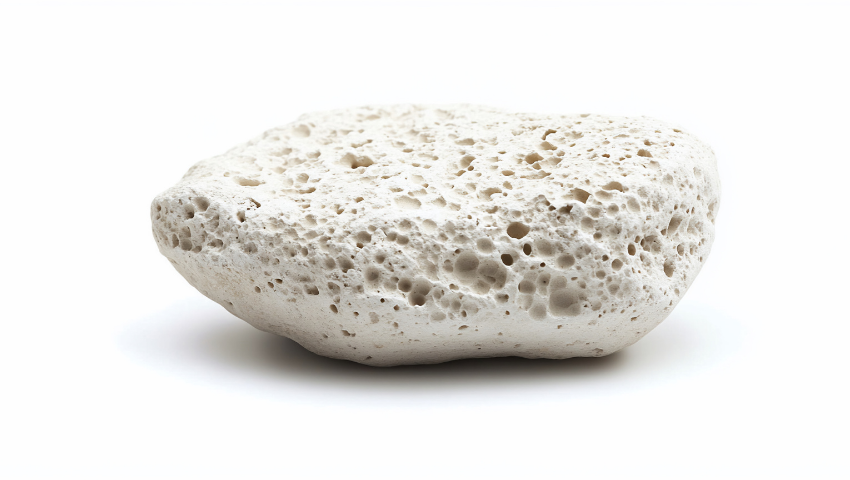
Pumice stone is a natural volcanic rock with an extremely porous and spongy structure, formed as a result of the sudden cooling of lava that erupts to the surface during volcanic eruptions and the rapid release of gases it contains. This unique formation process gives pumice an extraordinary lightness; so much so that some types of pumice can float on water due to their low density. Pumice, which is usually observed in light colors - white, off-white, gray - can also be found in brownish or blackish tones known as basaltic pumice (scoria), depending on the type and proportion of minerals it contains.
Essentially, pumice is a volcanic glass structure and does not contain crystalline water. The term “volcanic glass” means that the pumice is amorphous, meaning that its atoms are not in a regular crystal lattice structure, but have an irregular internal structure. This amorphous structure affects the fracture properties of pumice, usually forming conchoidal (curved, shell-shaped) and sharp-edged fracture surfaces. These sharp edges contribute directly to the abrasive character of pumice, an important physical property that is especially prominent in abrasive applications. Therefore, the description of pumice as a volcanic glass not only indicates its origin, but also points to the microscopic structure underlying its basic physical and mechanical behavior.
The Uniqueness and Importance of Pumice
Pumice stone is one of the rare natural materials that offers many unique and valuable properties, such as low density, high heat and sound insulation capacity, remarkable abrasive properties, effective water retention and soil aeration ability. The combination of these properties makes pumice an indispensable raw material in a wide range of applications, from the construction sector to agriculture, from the textile industry to personal care products and even high-tech industrial applications.
The importance of pumice stems from the ability of its properties to simultaneously meet the various needs of different sectors, rather than a single superior feature. For example, while its lightness reduces the load of structures in the construction sector, its porous structure provides heat and sound insulation, which provides energy efficiency and living comfort. The same porous structure creates an ideal environment for plant growth by increasing the water retention capacity and aeration of the soil in agriculture. While its hardness and high silicon dioxide content make it an effective abrasive, this feature is evaluated in different areas from the processing of fabrics in textiles to industrial surface cleaning. This versatility elevates pumice from a niche material to a strategic industrial raw material with a wide market potential. In addition, the fact that it is a natural, environmentally friendly and abundant resource worldwide further reinforces the importance of pumice in today's increasingly sustainable material search.
Pumice Stone Usage Areas


Geological Formation and Properties of Pumice Stone
Volcanic Origin and Formation Process
During a volcanic eruption, this frothy, gas-rich magma is ejected into the atmosphere with great force. When it reaches the surface or in the air, it cools rapidly and solidifies. This sudden and rapid release of gases leaves numerous voids or pores in the solidifying lava. This process creates the characteristic spongy, extremely porous and lightweight structure of pumice. The “sudden cooling” and “sudden departure of gases” during formation are of critical importance. This rapid cooling does not allow the atoms to form an orderly crystalline structure; therefore, pumice has a glassy, amorphous structure. Whether or not the pores formed by the gas bubbles are connected to each other is a factor that directly affects many of the physical properties of pumice, such as water absorption, permeability and insulation. This formation mechanism is the main reason why pumice is both low-density (lightweight) and highly porous, and these two properties form the basis of many of its other beneficial characteristics.
Pumice Deposits in the World and Türkiye
Pumice deposits are located in geologically active or recently extinct volcanic regions of the world. The United States, Turkey and Italy are among the major countries with significant pumice deposits and production worldwide. The total pumice reserves discovered worldwide are estimated to be around 18 billion tons.
Basic Physical Characteristics
The fundamental physical properties of pumice stone, which determine its industrial and commercial value, derive from its unique formation process. These properties explain why pumice is preferred in a wide range of applications.
- Intensity: One of the most distinctive properties of pumice is its extremely low unit weight. The specific gravity of acidic pumice is generally 0.5-1 gr/cm3 While the specific gravity of basic pumice (scoria) varies between 1-2 gr/cm3 The dry unit volume weight is around 600-1500 kg/m3 These values indicate that pumice is approximately 1/3 to 2/3 the weight of traditional aggregates such as regular sand and gravel.
- Porosity: Pumice has a highly porous internal structure; 70% to 85% of its total volume can consist of voids. In some measurements, average porosity has been reported to reach 90%. These pores are generally not connected to each other, which contributes significantly to its low water absorption capacity and high insulation properties.
- Hardness: The value of pumice on the Mohs hardness scale varies between 5 and 6. This degree of hardness means that pumice has the potential to wear away even steel.
- Colour: Acidic pumice is usually white, off-white or gray in color. Basic pumice (scoria) can be darker in color, brownish or blackish, due to differences in chemical composition.
- Thermal Conductivity Coefficient: The thermal conductivity coefficient of pumice is quite low; for example, 0.16 Kcal/mh°C It may have values such as. This feature makes it an effective thermal insulation material.
- Sound Absorption Feature: Pumice has a high sound absorption capacity, with an average sound absorption coefficient of around 0.44, making it valuable in applications requiring acoustic comfort and noise control.
- Water Absorption Rate: Despite its porous structure, the water absorption rate is at reasonable levels of 20-30% because the pores are generally disconnected.
- Surface Area: The surface area of unprocessed pumice, measured by the BET (Brunauer-Emmett-Teller) method, is approx. 31 m2/gThis large surface area is especially important in applications such as filtration and catalyst carriers.
Basic Chemical Properties
The chemical composition of pumice stone greatly affects its physical properties, industrial reactivity and therefore its areas of use. The main components of pumice, which is a volcanic glass, are silicon dioxide (SiO₂) and aluminum oxide (Al₂O₃).
The general chemical composition of a typical pumice sample is as follows:
- Silicon Dioxide (SiO₂): 60-75%
- Aluminum Oxide (Al₂O₃): 13-17%
- Iron Oxide (Fe₂O₃): 1-3%
- Calcium Oxide (CaO): 1-2%
- Sodium Oxide (Na₂O) and Potassium Oxide (K₂O): 7-8% in total
- Titanium Dioxide (TiO₂) and Sulfur Trioxide (SO₃): Trace amounts
In basic pumice (scoria), the silica content is lower, and the iron, calcium and magnesium ratios are higher than in acidic pumice. The high SiO₂ content of pumice gives it a natural abrasiveness. The amount of Al₂O₃ in its structure plays an important role in increasing its resistance to fire and high temperatures. The presence of alkali oxides such as Na₂O and K₂O makes pumice suitable for some special applications in the textile sector. In general, pumice is considered to be a largely inert material from a chemical perspective, meaning that it does not react easily with many chemicals.
Geological Formation and Properties of Pumice Stone
Lightness and Structural Advantages
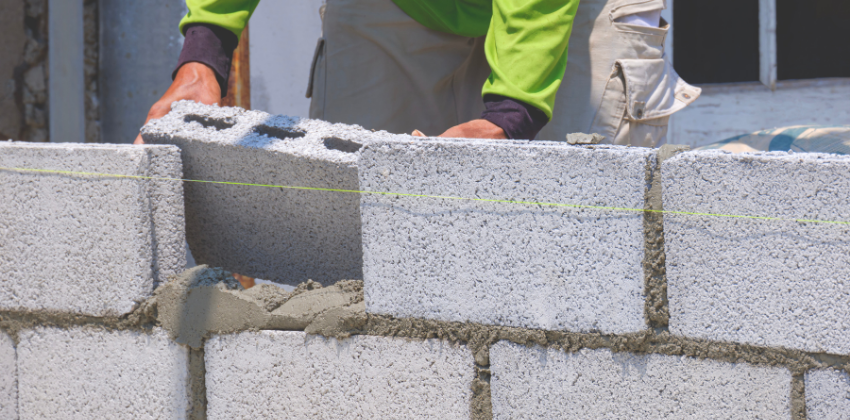
The most striking and widely known benefit of pumice is its extraordinary lightness. Having a specific gravity well below that of traditional aggregates such as normal sand and gravel, concretes and other construction elements produced using pumice aggregates are also significantly lighter. This lightness brings with it a series of knock-on benefits in the construction industry.
The reduction in the total weight of the structure primarily reduces the load on the foundation. This allows for a reduction in the dimensions and costs of the foundation, as well as significant savings in the amount of rebar used; in some cases, this savings can be around 17% to 20%. Lighter structural elements are easier and less costly to transport and install, which speeds up construction processes and reduces overall labor costs. In addition, especially in earthquake-prone areas, the reduction in the total mass of the structure contributes to better performance against seismic forces and a reduced risk of structural damage. These advantages make pumice an extremely attractive option, especially in projects carried out in multi-storey buildings or in areas with poor ground conditions.
Superiority in Heat and Sound Insulation
The internal structure of pumice stone, which contains a high amount of pores, gives it excellent heat and sound insulation properties. The stagnant air trapped in these pores makes heat transfer significantly difficult. As a result, the heat conduction coefficient of pumice (for example, 0.16 Kcal/mh°C ) are 4 to 6 times lower than normal concrete. This superior thermal insulation performance significantly reduces the amount of energy spent on heating and cooling in buildings constructed using pumice, which both saves on energy bills and reduces environmental impact.
Similarly, the porous and rough surface structure of pumice provides effective sound insulation by absorbing and dispersing sound waves. The average sound absorption coefficient of around 0.44 allows for the creation of quieter, more peaceful and acoustically more comfortable living and working spaces in spaces where pumice structural elements are used.
Another important advantage of pumice is its high resistance to fire. It is stated that it is up to 20% safer than normal concrete. This feature is related to the low thermal conductivity of pumice, as well as the aluminum oxide (Al₂O₃) content in its chemical composition. Al₂O₃ increases the material's resistance to high temperatures. The insulation properties of pumice not only provide energy savings and comfort, but also contribute to extending the life of structures (for example, by reducing wear due to thermal stress) and increasing fire safety. This is of critical importance for sustainable and safe construction goals.
Abrasiveness and Surface Finishing Ability
Pumice stone is a natural and effective abrasive material thanks to its high content of silicon dioxide (SiO₂) (usually between 60-75%) and its hardness value of 5-6 on the Mohs hardness scale. This level of hardness means that pumice has the capacity to wear away even steel. This abrasiveness allows pumice to be used in a wide range of surface treatment and cleaning applications.
In the textile sector, it is widely used in the “stone washing” process, especially for softening and giving denim fabrics an old look. It is used in the formulation of industrial abrasives for cleaning, removing roughness and polishing the surfaces of materials such as metal, plastic, wood and leather. It is preferred as a natural exfoliant in personal care products, especially in peeling creams and soaps to cleanse the skin from dead cells. In dentistry, its micronized forms are used in the cleaning, polishing and prosthesis preparation stages of tooth surfaces.
The abrasiveness of pumice is a “controllable” property. By adjusting parameters such as grain size, application method and pressure, different results can be achieved, from coarse industrial abrasion (e.g. removing rust from metal surfaces) to much more delicate and fine polishing operations (e.g. polishing tooth enamel). The fact that pumice particles are “friable” and retain their sharp edges even when broken ensures continuity and efficiency of the abrasive action. The fact that they are available in different grain sizes (from macro to micronized powder) makes pumice an extremely flexible and versatile abrasive material, an advantage not found in many other natural or synthetic abrasives.
Water Retention, Aeration and Drainage Properties (Especially in Agriculture)
The porous internal structure of pumice stone gives it unique and very valuable properties in agricultural and horticultural applications. Thanks to these properties, pumice stands out as a natural solution that improves the physical structure of the soil and creates ideal conditions for plant growth.
Pumice effectively absorbs and retains water thanks to its spongy structure. This helps the soil retain the amount of moisture needed by plant roots for longer periods of time, and reduces the need for irrigation, especially in arid or semi-arid regions, providing significant water savings; some studies have reported that this savings can be as much as 70%. At the same time, the gaps formed between pumice grains increase soil aeration. This allows plant roots to receive sufficient oxygen, develop healthier and stronger, and grow freely by preventing the soil from compacting. Using pumice, especially in heavy and clayey soils, lightens the soil and gives it a looser and more permeable structure.
In addition to its water retention capacity, pumice also provides good drainage. It helps to drain quickly by preventing excess water from accumulating in the soil, which prevents plant roots from becoming airless and rotting. Since pumice is an inorganic material, the risk of carrying weed seeds or plant diseases into the soil is low and it is generally pH neutral (around pH 6-7), which ensures that it does not negatively affect the pH balance of the soil. When these features are evaluated as a whole, pumice creates a “triple effect” in agriculture: optimum water retention, excellent aeration and effective drainage. The combination of these three functions provides an ideal balance that is vital for healthy root development and therefore productive plant growth. This makes it a natural and sustainable alternative to synthetic soil conditioners.
Chemical Inertness and Durability
Another important reason for the wide acceptance of pumice in industrial and agricultural applications is its chemical inertness and physical durability. Chemical inertness means that pumice does not react with most chemicals, or reacts very slowly. This property makes it extremely suitable for use in industrial environments where aggressive chemicals are present (for example, as a chemical filter material or as a catalyst carrier). In agricultural applications, it allows it to improve the physical structure of the soil without reacting undesirably with other minerals or fertilizers in the soil.
In terms of physical durability, pumice is characterized by its structure not deteriorating or rotting over time and its ability to maintain its basic physical properties for many years. This is especially important in terms of providing a permanent improvement when added to the soil in agriculture and allowing it to be used repeatedly (some sources state that it can be used for up to 6 years after sterilization in soilless agriculture). In the construction sector, pumice contributes to the longevity of aggregated concretes and structural elements. In addition, the resistance of pumice to fire and high heat thanks to its Al₂O₃ content is a factor that increases its durability.
This combination of chemical inertness and physical durability makes pumice a “long-lasting” material. This offers significant benefits both economically (less maintenance and replacement) and environmentally (less waste, more efficient use of resources). These properties increase the overall performance and sustainability of systems or products in which pumice is used.