

Discovery and Popularization of Pumice in the Textile Industry
The use of pumice stone in the textile industry has gained importance, especially with the popularization of denim fabrics in the second half of the 20th century. Also known as "washing stone", pumice has become a basic material, especially in the processing of denim fabrics. The "stonewashing" process, which has become widespread since the 1970s, involves the use of pumice stones together with fabrics in industrial washing machines in order to give denim products a deliberately worn, bleached and softened appearance. This process is based on the principle of removing indigo dye from the fabric surface through mechanical abrasion and gives denim products the desired "vintage" or "worn" aesthetic. In processes where more specific and intense effects such as "snow wash" or "moon wash" are achieved, pumice stone sometimes plays a key role together with bleaching chemicals.
One of the main reasons underlying this proliferation is the ever-changing aesthetic demands of the fashion industry. The demand for "new but old-looking" products, especially in denim clothing, has made pumice indispensable. The unique texture and color effects provided by pumice have made it an attractive tool for designers and manufacturers. However, this popularity is not only the result of a technical necessity. It is also a reflection of the consumer's cultural and commercial demand for clothing that gives a sense of "life" and "authenticity." This aesthetic-driven demand has led to its continued use for many years, despite the knowledge of pumice's potential environmental and health-related negative effects. Therefore, understanding the role of pumice in textiles requires considering not only its technical properties, but also the complex relationship between fashion trends and consumer preferences. This situation reveals how critical it is not only to ensure technical equivalence, but also to meet targeted aesthetic expectations in the search for alternatives to pumice.
Physical Properties
The basic physical properties of pumice stone that determine its value in industrial applications are:
Porosity
The most distinctive feature of pumice is its high porosity, which gives it its spongy appearance. The pores are formed by the rapid escape of volcanic gases and generally range in size from microscopic to visible. The vast majority of these pores are unconnected, which explains some of the unique properties of pumice. The porosity can range from 70% to 85%. The pore diameter can be up to 65 mm.
Density and Lightness
Yüksek gözeneklilik, pomzaya son derece düşük bir yoğunluk kazandırır. Asidik pomzanın yoğunluğu genellikle 0.5-1 gr/cm³ arasındadır, bu da onun sudan hafif olmasına ve su üzerinde yüzebilmesine olanak tanır. Bu hafiflik, taşıma ve işleme kolaylığı sağlar. Bazik pomza ise daha yoğundur (1-2 gr/cm³). Kuru birim hacim ağırlığı 600-1500 kg/m³ aralığında belirtilmiştir.
Hardness and Abrasiveness
The value of pumice on the Mohs hardness scale is generally around 5.5-6. This hardness value, combined with its high silica content, gives pumice a significant abrasive property. So much so that pumice can even wear away steel. This is the basic feature used in the textile sector, especially in denim grinding.
Colour
The color of pumice varies depending on its chemical composition. Acidic pumice is usually white, off-white or light gray. Basic pumice is dark, brownish or blackish. In textile applications, white acidic pumice is generally preferred so that it does not stain the fabric.
Usage Areas and Processes of Pumice Stone in the Textile Industry
Thanks to its unique physical and chemical properties, pumice stone has found its place in the textile industry, especially in finishing processes where certain aesthetic and textural effects are sought. Although its most well-known use is in denim processing, it also appears in other applications in different forms and for different purposes.
Denim Fabric Processing (Denim Stonewashing)
The most common and well-known use of pumice stone in the textile sector is undoubtedly the processing of denim fabrics. This process, called "denim grinding" or "stonewashing" in international terminology, is applied to denim garments (pants, jackets, skirts, etc.) to give them a characteristic, used and worn-out appearance. The main purpose of the process is to mechanically remove the indigo dye on the fabric surface to lighten (bleach) the color, give the fabric a softer touch and create a fashionable "vintage" aesthetic.
Fabric Surface Improvement and Other Applications with Micronized Pumice
The use of pumice stone in textiles is not limited to rough grinding. Micronized pumice, which is obtained by grinding volcanic pumice stone to very fine dimensions (micron level) through special grinding and classification processes, also finds application in different finishing processes. In scientific literature, materials under 100 microns are generally called micronized; it has been stated in some studies that pumice of 50 microns is used.
Advantages of Using Pumice Stone in Textiles
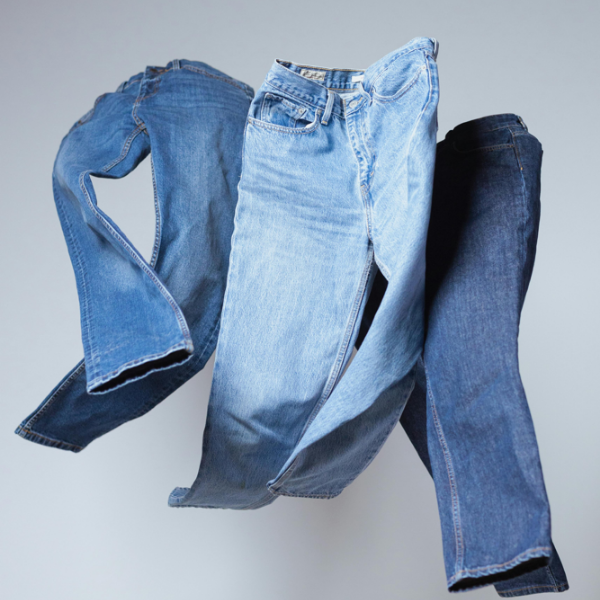
Examples of stonewashed jeans in different tones: Washing with pumice stone creates distressed patterns on the fabric, each with a different patina. These effects give jeans a unique and fashionable vintage look. Washing with pumice stone provides many advantages to denim fabric. First of all, the grinding process softens the fabric and increases its flexibility; as a result, the jeans feel more comfortable. Secondly, the faded and uneven color transitions obtained with the abrasive effect of pumice stones offer a stylish vintage aesthetic. Pumice stones remove some of the dye by abrading the fabric surface like sandpaper, thus creating a natural worn effect on each piece. Moreover, since pumice is a natural material, less harmful chemical waste is produced compared to chemical-based washing methods. With this method, the abrasion patterns formed on the surface of the jeans are unique in each product and give the brand a unique look.
Aesthetic and Textural Contributions:
The most important advantage of pumice is the unique aesthetic and textural properties it imparts to the processed fabrics, especially denim products. The grinding process provides the fabric with a soft touch, a natural-looking vintage and an attractive bleaching effect desired by consumers. This process can create a homogeneous and intense bleaching effect and can create a characteristic gray-toned appearance in indigo-dyed fabrics.
Natural Origin and Chemical Reduction Potential:
Pumice is a natural material of volcanic origin. This natural origin has the potential to offer a more environmentally friendly production process by reducing the need for synthetic chemicals in some cases. In particular, since it provides colour lightening through mechanical abrasion, it can reduce or complement the use of some harsh chemicals used for bleaching purposes.
Cost and Efficiency:
Raw pumice stone is generally abundant and relatively easy to extract, so the raw material cost is low. When used under the right conditions, it can provide effective abrasion and in some cases offer short washing times, which can contribute to production efficiency. Although some sources state that textile pumice is long-lasting and reusable, it should be noted that this is limited under the aggressive conditions of textile washing. When white and low-iron pumice is used, the fact that it does not leave stains and does not require additional cleaning can also be seen as a cost advantage.
Application Flexibility:
The physical and chemical properties of pumice stone make it generally suitable for grinding processes in the textile industry. With the development of washing techniques, it has become possible to use it not only in heavy denim but also in the processing of lighter weight fabrics.